

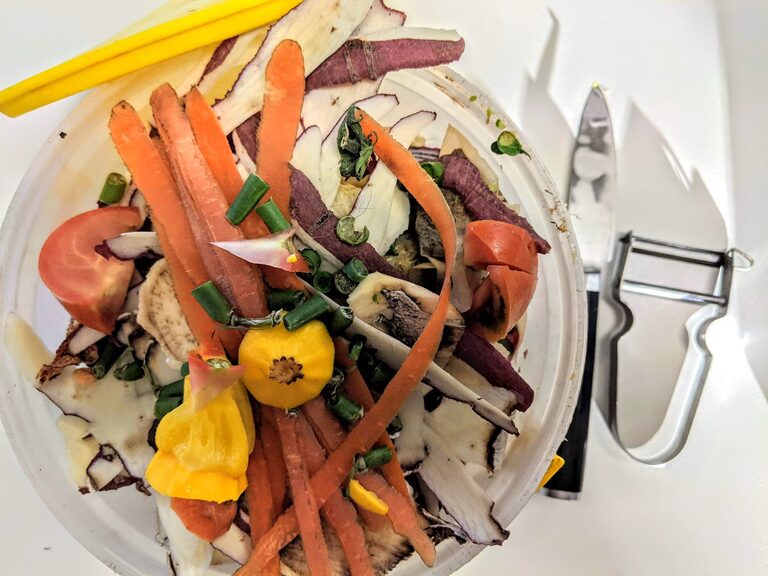
Reducing food waste at home is an important step toward saving money, conserving resources, and protecting the environment. Every year, millions of tons of food are thrown away, contributing to greenhouse gas emissions and straining landfills. The good news is that your everyday habits can make a big difference. Here are some simple and effective ways to cut down on food waste right in your own kitchen.
Plan Your Meals and Shop Smart
One of the best ways to reduce food waste starts before you even set foot in the grocery store.
Create a Meal Plan
Planning your meals for the week helps you buy only what you need. Take stock of what you already have in your pantry, fridge, and freezer, then write down your meals and ingredients.
Make a Grocery List
Stick to your meal plan and write a detailed grocery list. Avoid impulse purchases, especially of perishable items you may not use in time.
Shop with Intention
When shopping, choose loose produce instead of pre-packaged, so you can buy the exact amount you need. Also, consider portion sizes and family preferences to avoid surplus food.
Store Food Properly
Correct storage can extend the life of your food and prevent spoilage.
Use Airtight Containers
Transfer leftovers and opened packages into airtight containers to keep them fresh longer.
Keep Fruits and Vegetables Separate
Some fruits release ethylene gas, which speeds up ripening of nearby vegetables. Store them separately to maintain freshness.
Know Your Fridge Zones
Place meats on the bottom shelf to avoid drips, keep dairy in the coldest part, and store fruits and vegetables in their designated drawers.
Understand Food Labels
“Sell by,” “use by,” and “best before” labels can be confusing. These dates often indicate quality rather than safety.
Use Your Senses
Check for signs of spoilage like off smells, mold, or texture changes rather than relying solely on dates.
Freeze Near-Expiry Items
If food is nearing its expiration date but still looks good, freeze it for later use.
Get Creative with Leftovers
Leftovers don’t have to be boring or wasted.
Repurpose Meals
Turn roast chicken into soups or salads. Use stale bread for croutons or breadcrumbs.
Batch Cook and Freeze Portions
Cook larger meals and freeze individual portions to enjoy later without waste.
Share with Family or Neighbors
If you have extra food, consider sharing with friends, family, or local food banks.
Compost Food Scraps
Not all food waste needs to go to the landfill.
Start a Compost Bin
Collect fruit peels, coffee grounds, and vegetable scraps for composting. Compost enriches soil and reduces methane emissions from landfills.
Use Compostable Bags
If you’re using a bin, line it with compostable bags to make emptying easier and cleaner.
Monitor and Reflect on Waste
Keeping track can help identify patterns and improve habits.
Keep a Waste Log
Note what types of food you discard most often and why.
Adjust Your Shopping and Cooking
Use the insights to tailor your shopping list and meal planning.
Educate Your Household
Involve everyone in reducing food waste.
Share Tips
Explain why reducing waste matters and encourage mindful eating.
Practice Portion Control
Serve reasonable portions and allow seconds if needed.
Use Smaller Plates
Smaller plates can help reduce overeating and leftover waste.
—
By making small changes to how you shop, store, and use food, you can significantly reduce the amount you throw away. Not only will this save money, but it will also contribute to a healthier planet. Start with one or two tips today and build your waste-free habits over time!