

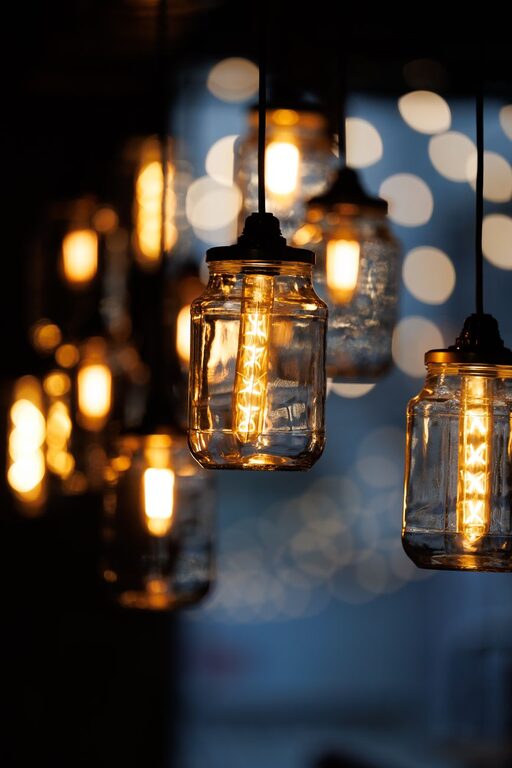
Creating a comfortable atmosphere in your home goes beyond furniture and colors—lighting plays a crucial role in setting the mood and ensuring functionality. Choosing the right home lighting can enhance your comfort, boost productivity, and even improve your well-being. This guide offers helpful tips to select lighting that suits your needs and complements your space.
Why Comfortable Lighting Matters
The right lighting affects how you feel and function within your home. Harsh or dim lighting can cause eye strain, headaches, or discomfort, while well-chosen lighting can create a welcoming environment that supports relaxation, concentration, or socializing.
Before diving into product options, consider the following factors to make informed decisions about your home lighting.
Understand Different Types of Lighting
Lighting generally falls into three categories. A balanced combination of these ensures your home feels inviting and practical.
1. Ambient Lighting
This is the general lighting that provides overall illumination. It fills the room with a comfortable level of brightness without glare. Examples include ceiling-mounted fixtures, chandeliers, or recessed lights.
2. Task Lighting
Task lighting targets specific areas where activities such as reading, cooking, or working take place. Desk lamps, under-cabinet lights, and vanity lights are common examples.
3. Accent Lighting
Accent lighting highlights architectural features, artwork, or decorative pieces in your home. Think wall sconces, track lighting, or LED strips.
Tips for Choosing Comfortable Home Lighting
Consider the Purpose of Each Room
Different rooms serve different functions, and your lighting should reflect that.
– Living Room: Opt for warm, adjustable light sources that create a cozy atmosphere. Use a mix of ambient and accent lighting to highlight artwork or plants.
– Kitchen: Bright, clear task lighting is essential for food preparation, combined with ambient lighting for overall visibility.
– Bedroom: Soft, warm lights help promote relaxation. Consider adjustable bedside lamps or dimmable ceiling lights.
– Bathroom: Bright, shadow-free lighting near mirrors improves grooming tasks. Use cool white bulbs to mimic daylight.
– Home Office: Combine ambient and focused task lighting to reduce eye strain and improve productivity.
Choose the Right Color Temperature
Color temperature is measured in Kelvins (K), indicating how “warm” or “cool” the light appears.
– Warm light (2700K to 3000K): Creates a cozy, relaxing environment suitable for living rooms and bedrooms.
– Neutral light (3500K to 4100K): Balanced and good for kitchens and bathrooms.
– Cool light (5000K to 6500K): Mimics daylight and is often used in workspaces to improve alertness.
Selecting a color temperature that suits the room’s purpose can greatly improve comfort.
Opt for Dimmable Lighting
Dimmers offer control over brightness levels, allowing you to adapt lighting to different times of day and activities. Installing dimmable bulbs or fixtures lets you create a soft ambiance or bright illumination as needed.
Pay Attention to Light Distribution
Even and diffused light prevents harsh shadows and glare. Fixtures with shades or diffusers can help spread light gently throughout the room.
Choose the Right Bulbs
LED bulbs are popular for their energy efficiency, long lifespan, and variety of color temperatures. They generate less heat, which adds to comfort, especially in smaller spaces.
Use Multiple Light Sources
Layering light from various sources reduces eye strain and adds depth to a room. For example, combine overhead lights with floor lamps, table lamps, and accent lights to create a versatile lighting scheme.
Consider Smart Lighting Options
Smart bulbs and systems allow you to control brightness, color, and schedules via apps or voice commands. This flexibility can enhance comfort and convenience.
Practical Installation Tips
– Place task lights close to where activities happen, like a reading lamp near your favorite chair.
– Avoid placing bright lights directly in your line of sight to reduce glare.
– Angle accent lights to highlight features without causing hotspots.
– Install switches and dimmers in accessible locations for easy control.
Final Thoughts
Comfortable home lighting improves your daily experience, making spaces inviting and functional. By considering purpose, color temperature, bulb type, and layering, you can tailor your lighting to suit your lifestyle and preferences seamlessly.
Take the time to plan your lighting thoughtfully, and enjoy the benefits of a well-lit, comfortable home environment.